The Ultimate Guide to Japanese Katsu Bowls with Tonkatsu Sauce
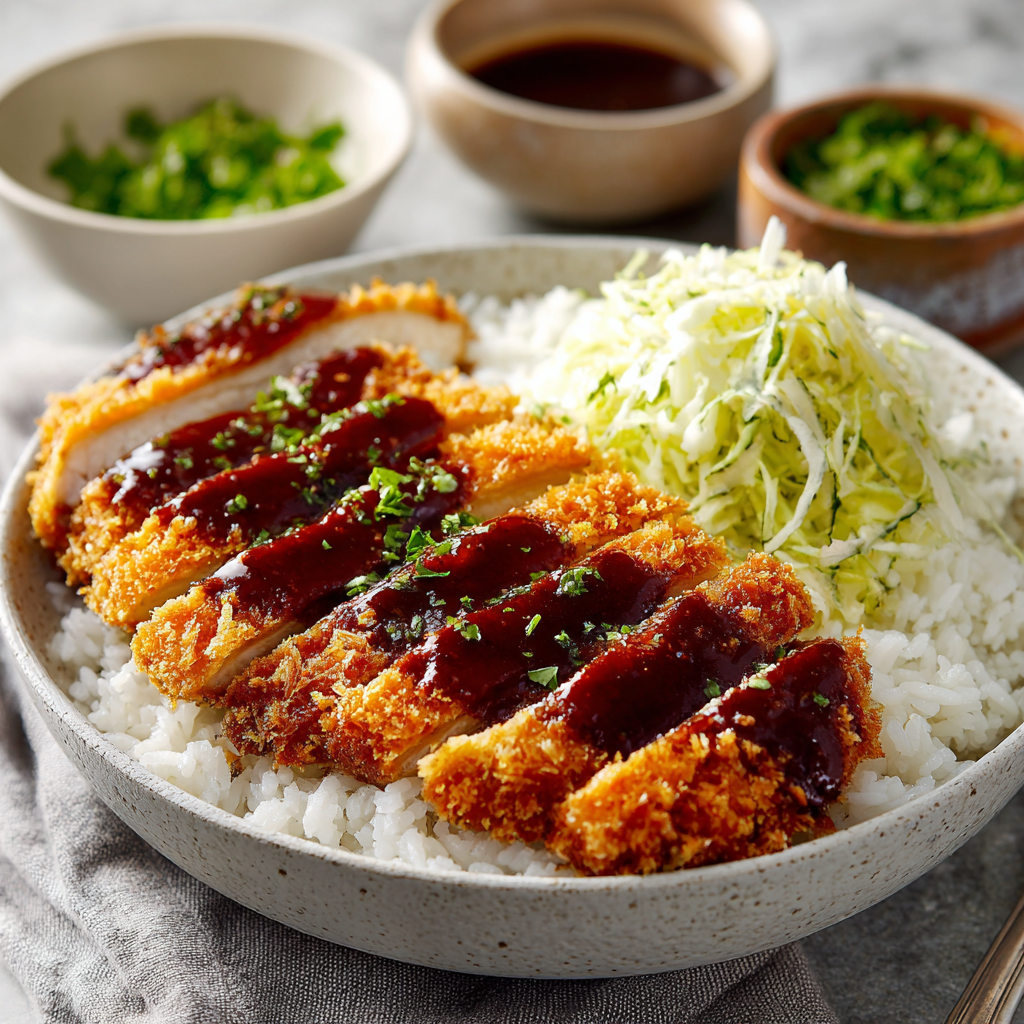
Few dishes capture the essence of Japanese comfort food as perfectly as Japanese Katsu Bowls with Tonkatsu Sauce. This iconic meal, known in Japan as Katsudon (when topped with egg and onion) or simply Katsu Donburi, is a masterclass in contrasting textures and harmonious flavors. At its heart lies the tonkatsu—a crispy, golden, panko-breaded cutlet—nestled atop a bed of steaming white rice and lavishly dressed with the rich, savory-sweet, and uniquely umami tonkatsu sauce. It’s a dish that feels simultaneously indulgent and wholesome, complex yet strikingly simple to prepare at home.
This guide will take you through everything you need to know to master this beloved dish, from its fascinating history and cultural significance to step-by-step cooking techniques and expert tips for achieving that perfect, shatteringly crisp katsu. Whether you’re a weeknight warrior seeking a satisfying dinner or a culinary explorer eager to recreate an authentic Japanese classic, these Japanese Katsu Bowls with Tonkatsu Sauce are your ticket to a deeply delicious experience.
More breakfast ideas you’ll love
The Story Behind the Bowl: A History of Katsu
To truly appreciate Japanese Katsu Bowls with Tonkatsu Sauce, it helps to understand their origins. The dish is a beautiful example of yōshoku—Western-influenced Japanese cuisine that emerged during the Meiji era (late 19th century). The concept of breaded and fried cutlets was inspired by European dishes like the German Wiener Schnitzel and the French côtelette de veau.
Japanese chefs adapted the technique, creating a distinct version using panko breadcrumbs. Panko, made from crustless white bread, produces a lighter, flakier, and crisper coating than traditional Western breadcrumbs. The first recorded serving of tonkatsu (pork cutlet) was in 1899 at a Tokyo restaurant called Rengatei. Initially considered a luxury, it quickly gained popularity.
The evolution from a standalone cutlet to a bowl—a donburi—was a natural progression in Japanese cuisine, which often celebrates the combination of a main protein with rice. Adding the now-essential tonkatsu sauce, a Japanese Worcestershire-based concoction, finalized the dish’s identity. Today, Japanese Katsu Bowls with Tonkatsu Sauce are a staple in homes, casual eateries (shokudō), and even specialty restaurants across Japan and the globe.
Deconstructing the Dish: Why It Works So Well
The magic of Japanese Katsu Bowls with Tonkatsu Sauce lies in its perfect balance:
-
Texture: The audible crunch of the panko crust gives way to juicy, tender meat, all resting on soft, sticky rice. It’s a symphony of contrasting sensations in every bite.
-
Flavor: The cutlet itself is seasoned simply, allowing the quality of the meat and the toasty flavor of the fried panko to shine. The tonkatsu sauce then delivers a powerful punch of sweet, tangy, savory, and fruity complexity, tying all elements together.
-
Comfort: It’s a warm, hearty, and filling meal that is utterly satisfying. The combination of protein, carbs, and fat is deeply nourishing and pleasurable.
Mastering the Elements: A Detailed Recipe Guide
Let’s break down the recipe provided, adding pro tips and explanations to ensure your Japanese Katsu Bowls with Tonkatsu Sauce are nothing short of spectacular.
Japanese Katsu Bowls with Tonkatsu Sauce
Total Time: 30 minutes | Yield: 3 servings
Ingredients
For the Katsu:
-
2 boneless, skinless chicken breasts OR pork loin cutlets (about 6-8 oz each)
-
Salt and freshly ground black pepper
-
½ cup all-purpose flour
-
2 large eggs, beaten with 1 tablespoon water (the water creates a slightly thinner egg wash for a lighter coating)
-
1 cup panko breadcrumbs (use Japanese-style panko for the best texture)
-
Neutral oil for frying (vegetable, canola, or peanut oil), enough for ½-inch depth in your pan
For the Bowl:
-
3 cups cooked white short-grain rice (sushi rice is ideal for its stickiness)
-
Tonkatsu sauce (see homemade option below)
-
Thinly sliced green onions or shredded cabbage for garnish (optional but traditional)
For Homemade Tonkatsu Sauce (*):
-
3 tablespoons ketchup
-
2 tablespoons Worcestershire sauce (Use Japanese Worcestershire if available; it’s fruitier and less vinegary than the Lea & Perrins style. If using Western-style, start with 1.5 tbsp.)
-
1 tablespoon soy sauce
-
1 teaspoon sugar (or more to taste)
-
Optional boost: A tiny pinch of grated ginger or a dash of Dijon mustard adds wonderful depth.
Step-by-Step Instructions with Expert Insights
1. Prep the Protein:
Pound the chicken or pork to an even ½-inch thickness. This is crucial. It ensures quick, even cooking and maximizes the surface area for that glorious crust. Place the cutlet between two sheets of plastic wrap and use a meat mallet, rolling pin, or even a heavy skillet. Season both sides generously with salt and pepper. Let it sit at room temperature for 10-15 minutes; this takes the chill off and promotes even frying.
2. Set Up Your Breading Station (Mise en Place):
Use three wide, shallow bowls or plates. This organization is key to a clean, efficient process.
-
Bowl 1: All-purpose flour, seasoned with a pinch of salt.
-
Bowl 2: Beaten eggs with water.
-
Bowl 3: Panko breadcrumbs.
3. The Breading Technique:
Follow this sequence for the perfect seal and coating:
-
Dredge in Flour: Coat the cutlet thoroughly in the flour, shaking off the excess. The flour provides a dry base for the egg to adhere to.
-
Egg Wash Bath: Dip the floured cutlet into the egg, coating it completely. Let the excess drip off.
-
Panko Press: Place the cutlet into the panko. Use your dry hand to scoop panko over the top and press firmly. This pressure ensures the panko sticks and creates a solid, cohesive crust that won’t fall off during frying. Place the breaded cutlet on a wire rack or plate. Let it rest for 5 minutes; this helps the coating set.
4. Frying to Golden Perfection:
-
In a large, heavy-bottomed skillet (cast iron is excellent), heat about ½ inch of oil over medium-high heat to 340-350°F (170-175°C). Use a deep-fry or candy thermometer for accuracy. If you don’t have one, drop a small panko crumb in; it should sizzle vigorously and float immediately.
-
Gently lay the cutlet away from you into the hot oil to avoid splashing. Do not overcrowd the pan; fry one at a time if necessary.
-
Fry for 3-4 minutes per side for chicken, 2-3 minutes per side for pork, until deeply golden brown. Adjust the heat as needed to maintain temperature. The cutlet is done when it feels firm to the touch and the internal temperature reaches 165°F (74°C) for chicken or 145°F (63°C) for pork.
-
Transfer to a wire rack set over a paper towel-lined sheet. This is vital. Resting on a rack keeps the bottom crust crisp, whereas placing it directly on paper can create steam and make it soggy.
5. Make the Tonkatsu Sauce:
While the cutlet rests, whisk all sauce ingredients in a small bowl until the sugar dissolves. Taste and adjust—you might want more sugar for sweetness or more Worcestershire for tang. Let it sit for a few minutes to allow the flavors to meld.
6. Assemble the Japanese Katsu Bowls with Tonkatsu Sauce:
-
Slice the rested katsu against the grain into 1-inch strips. Slicing after resting prevents precious juices from running out too soon.
-
Divide hot rice among deep bowls.
-
Fan the sliced katsu over the rice.
-
Drizzle generously with the tonkatsu sauce. Don’t be shy—the sauce is a star of the show.
-
Garnish with green onions or a side of shredded cabbage for a fresh, crisp contrast.
The Ultimate Guide to Japanese Katsu Bowls with Tonkatsu Sauce
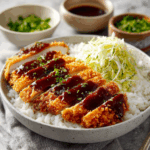
Crispy, golden cutlets paired with fluffy rice and savory-sweet tonkatsu sauce—this Japanese Katsu Bowl is the ultimate comfort food. Easy to make at home, it’s perfect for a quick weeknight dinner or a special treat that tastes like you’re dining out.
Ingredients
For the Cutlets:
-
2 boneless chicken breasts or pork loin cutlets, pounded to ½-inch thickness
-
1 cup panko breadcrumbs
-
½ cup all-purpose flour
-
2 large eggs, beaten
-
Oil for frying (vegetable or canola)
-
Salt and pepper, to taste
For Serving:
-
3 cups cooked white rice (sushi rice preferred)
-
Fresh parsley or green onions, for garnish (optional)
-
½ cup tonkatsu sauce (store-bought or homemade, see below)
Homemade Tonkatsu Sauce:
-
3 tbsp ketchup
-
2 tbsp Worcestershire sauce
-
1 tbsp soy sauce
-
1 tsp sugar
Instructions
-
Prepare Cutlets: Pound chicken or pork to ½-inch thickness. Season with salt and pepper.
-
Breading Station: Set up three bowls: flour, beaten eggs, and panko breadcrumbs. Coat each cutlet in flour, then egg, then panko, pressing gently to adhere.
-
Fry Cutlets: Heat oil in a frying pan over medium-high heat to ~350°F (175°C). Fry chicken 3–4 minutes per side, pork 2–3 minutes per side, until golden and cooked through. Drain on paper towels.
-
Make Tonkatsu Sauce (Optional): Mix ketchup, Worcestershire sauce, soy sauce, and sugar in a small bowl. Adjust sweetness to taste.
-
Assemble Bowls: Divide rice among bowls. Slice cutlets and place on top. Drizzle with tonkatsu sauce and garnish with parsley or green onions. Serve immediately.
Notes
-
Cutlets: Pound evenly for consistent cooking. Chicken should reach 165°F internally; pork 145°F.
-
Crispier Bread: Double-dip in egg and panko for an extra crunchy crust.
-
Sauce Storage: Homemade tonkatsu sauce can be made ahead and stored in the fridge for up to 1 week.
Pro-Tips for the Ultimate Katsu Experience
-
Double-Fry for Extra Crispness: For an impossibly crunchy, professional-quality crust, try the double-fry method. Fry at 325°F (160°C) for 3 minutes, remove and drain, then let rest for 5 minutes. Heat the oil to 350°F (175°C) and fry again for 1-2 minutes per side until super golden and crisp.
-
Oven-Finish for Less Oil: For a slightly lighter version, fry the cutlet for just 2 minutes per side to set the crust, then finish in a 400°F (200°C) oven on a wire rack for 8-10 minutes until cooked through.
-
Sauce on the Side? Traditionally, the sauce is drizzled over. However, serving the tonkatsu sauce on the side allows everyone to control their sauciness and keeps the crust crisper for longer.
-
Variations: Try this with tofu or eggplant for a vegetarian version. For Katsudon, simmer sliced onions in a dashi-soy-mirin broth, add the sliced katsu and a beaten egg, cover until set, and spoon over the rice.
Final Thoughts
Creating restaurant-quality Japanese Katsu Bowls with Tonkatsu Sauce at home is an achievable and profoundly rewarding culinary project. It demystifies a beloved dish, revealing that its soul is not in complex techniques, but in attention to detail: the careful pounding of the meat, the deliberate pressing of the panko, the precise temperature of the oil, and the bold drizzle of that irreplaceable sauce.
This dish is more than just a meal; it’s an experience. The first crack of the fork through the crust, the mingling of the savory sauce with the plain rice, the combination of hot katsu and cool, crisp cabbage—it’s a balance that delights all the senses. Making your own tonkatsu sauce allows you to tweak it to your personal taste, creating a signature component that makes the bowl uniquely yours.
Whether you stick to the classic pork tonkatsu or opt for chicken, the principles remain the same, promising a result that is crispy, juicy, flavorful, and deeply satisfying. So, gather your ingredients, heat your oil, and get ready to create a bowl of comfort that celebrates the beautiful simplicity and incredible flavor of Japanese home cooking. Your perfect Japanese Katsu Bowl with Tonkatsu Sauce awaits.